WEIGHT–LOSS DIETS, WHY DO THEY ALL FAIL?
The obesity epidemic is engulfing the entire world. It is estimated that 10% of world’s 7.7 billion population is obese. And obesity related health problems, “metabolic syndrome” now affects nearly one billion people worldwide.
Obesity is defined as severe excess in body fat. It is diagnosed and expressed not just by the body weight but with BMI (Body Mass Index) because body weight is the sum of body fat, muscle mass, height, bone structures and fluid content of the body. BMI is calculated as: body weight in (kg), divided by height in meter square (m)2. According to BMI readings, body weight is classified as follows, for adults:
Normal: BMI 19 – 24
Over Weight: BMI 25 – 29
Obese: BMI 30 -34
Extremely Obese: BMI 35 – 42 and over
Our society is unfair and cruel to people who are obese. They are stigmatized as lazy, unattractive, having a lack of will power and are a ticking time bomb for disastrous health problems. They are discriminated for in their employment, love and marriage. These stigmas and discriminations affect their physical and mental wellbeing. They are told to dislike their body and they desperately try to lose weight.
The weight loss industry knows this psychology very well. They try their best to profit from it by offering magical weight loss diets with slick promotions, commercials, misinformation and indoctrinations of all weight conscious, overweight and obese people. Profits from the sale of weight loss diets reach billions of dollars in sales every year.
Yet, studies after studies have shown that all weight loss diets fail. Many people, even if they lose some weight, they gain it right back, may be even more within a short period of time. This weight loss andweight gain cycling is so called “ yo-yo dieting” is even more dangerous for your health than stable obesityitself.
As I see it, there are many reasons and lack of knowledge and understanding as to why diets alone, do not work:
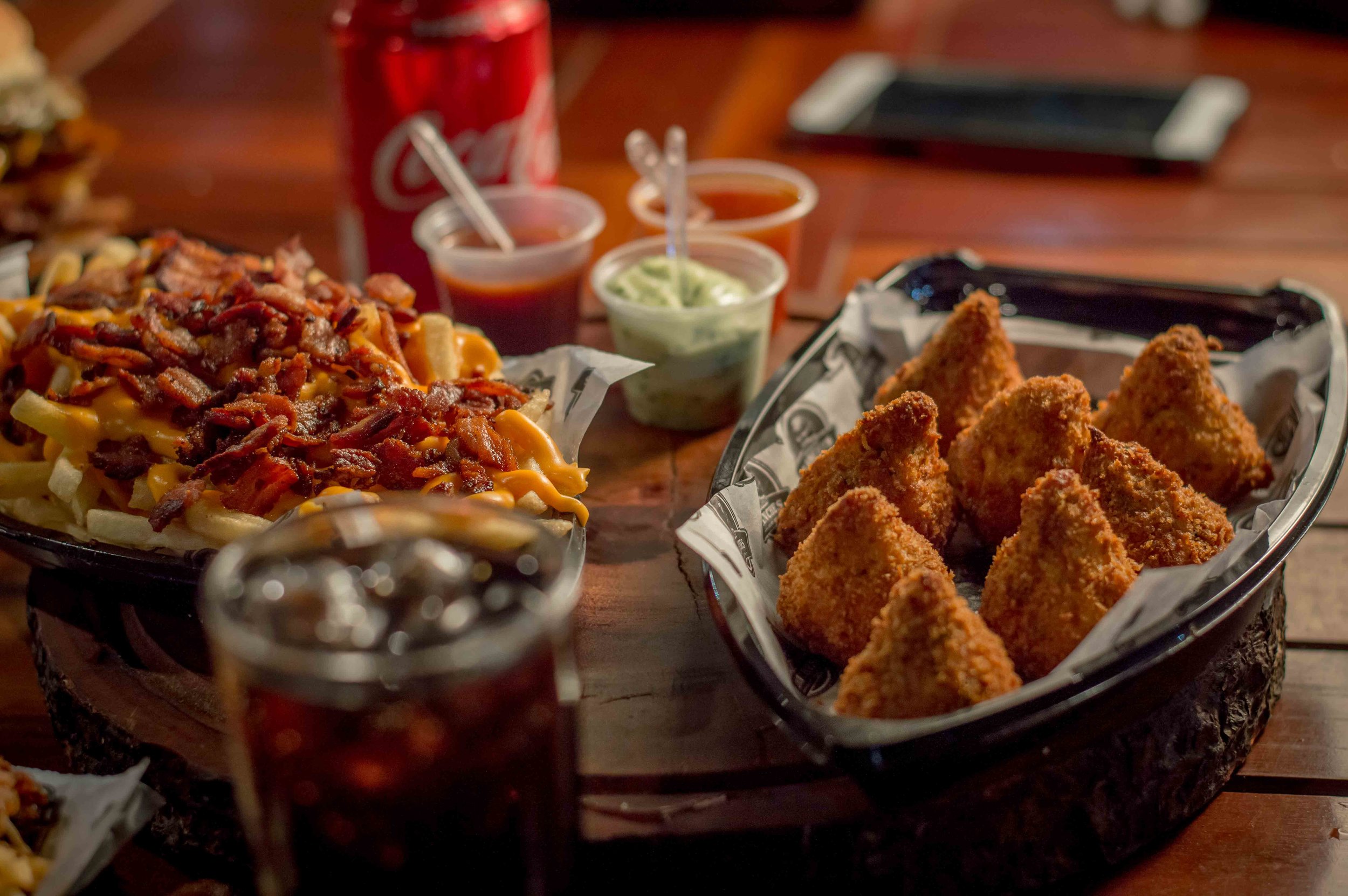
1. There is a wide spread misunderstanding about weight loss diets that if you eat different kind of food, you will lose weight. This is very wrong. It is the amount of food we consume, not the kind of food we eat that makes us gain weight. If we look at animal world, we see that the largest animals in the animal kingdom are grass eaters (herbivorous).
2. As I stated in my previous articles, to lose weight we must “eat less, eat quality of foods, eat mindfully and eat very slow”.
3. Dieting alone is not enough to lose weight and to keep if off. Dieting must be combined with vigorous exercise. Our ancient ancestors were in constant motion as hunter-gatherers to obtain their food. Today, we hardly move to gather our food. Yet our genetic makeup dictates that food intake must be combined with vigorous physical activities. According to Darwinian evolution and survival of the fittest theory, our hunter-gatherer ancestors lived in seasonal feast or famine conditions. Those who gained weight during the feast season survived the famine, and became the survival of the fittest. We are all the descendent of this genetically fat descendants.
4. Vigorous physical activities, not only burns excess calories but also stimulates the body to direct nutrients and excess calories we consume to build muscle mass and bone mass to make us stronger and leaner.
5. To do all these is not that easy. It requires strong willpower, determination and motivation. We must work on these personal qualities and, combine them with diet and vigorous exercise to achieve our goal. Diet alone will not do it. Brain power rules.
After doing your best, if you are still overweight, let it be. You are what you are. Your weight is part of your genetics. Don’t make it a problem. You are beautiful in your own way, in your genetic creation.