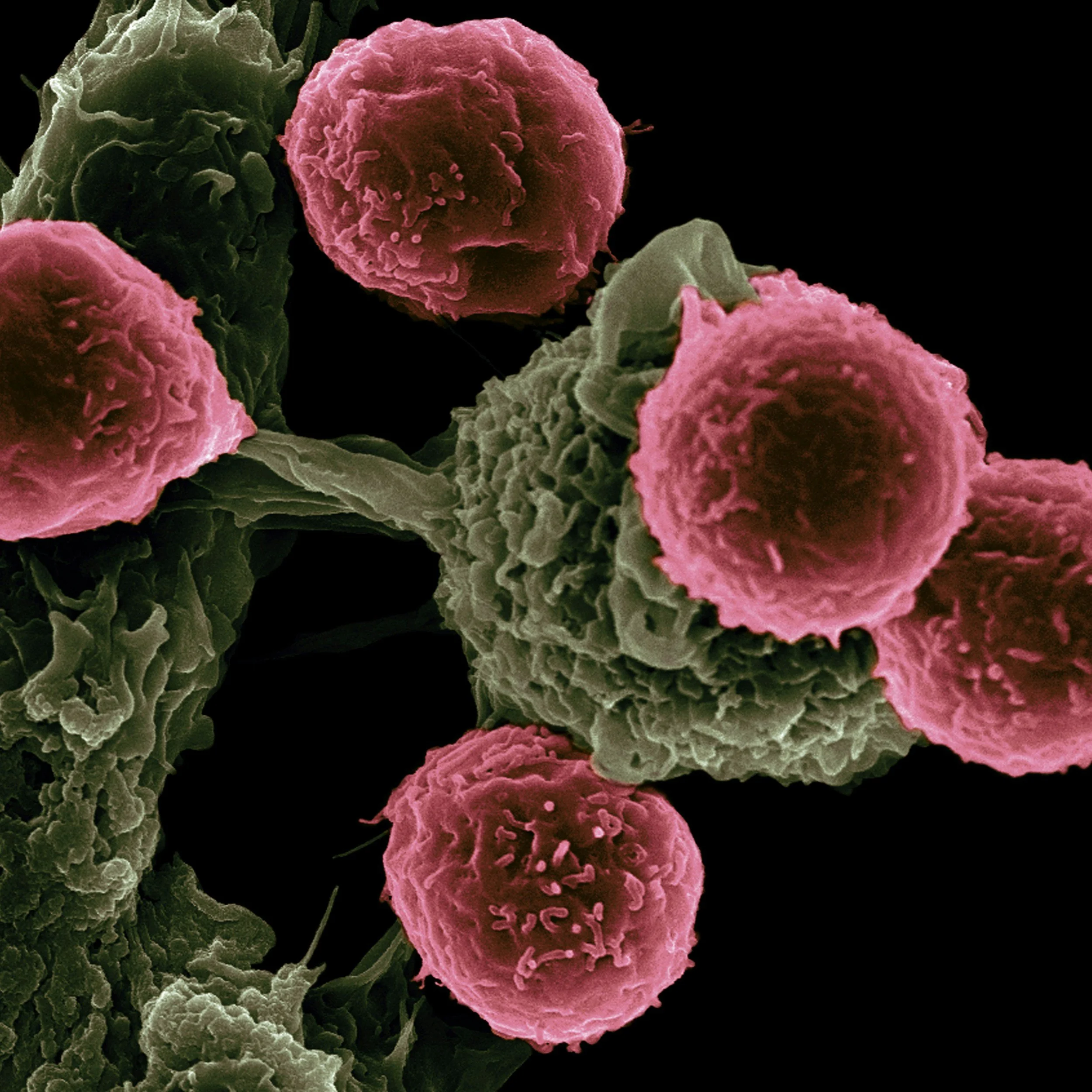
PLASTICS, PLASTICS EVERYWHERE, INCLUDING IN OUR BRAIN CELLS
Plastics create big health risks for every living creature in the world. Yet, the production of plastics goes up every year. The world produces about 350 million metric tons of plastics each year. And about 1 and 2 million tons of plastics enter the ocean.
Main ingredients of plastics are polyethylene, phthalate, bisphenol (a flame-retardant chemical).
Plastics are not biodegradable. It remains in the environment forever. Plastics degrade under natural forces, resulting in microplastics and nano plastics that can be as minute as a grain of dust. It floats in the air, it pollutes our atmosphere, soil, oceans, drinking water, and food sources.
Microplastics easily enter in our body cavities, and our blood circulation with inhalation, with food intake and even directly with medical grade plastics used for IV infusions. Microplastics even passes through the tough biological barrier like blood – brain barrier.
In a recent study published by Nature Medicine, scientists found 50% more plastics in recent autopsy studies of brain tissues. In another study scientists found more plastics in the brain tissues of Alzheimer patients than people without dementia. Under electron microscopy plastic particles look like splinters in the cell.
Scientists have found microplastics in breast milk and semen.
Investigators connect microplastic pollution to various diseases, including cerebral thrombosis, dementia, cardiovascular diseases, and chronic inflammation.
Plastics have become inseparable parts of our lives. Recycling plastics is not a permanent solution. As I see it, the only solution is discovering a biodegradable plastic.
Hey Mr. Elon Mask, are you listening?
You can’t take your astronomical wealth with you to your grave. Instead of trying to colonize the planet Mars, try to leave a legacy as saviors of humanity and Mother Earth, by using your brilliant mind, know-how and billions to discover a biodegradable plastic.
(Illustration by John DiJulio, University of Virginia)